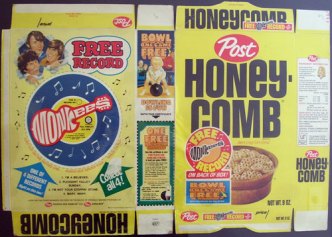
While eating lunch with a colleague recently the topic of cardboard cereal box records came up. “Wait, what!?” I said to my colleague (who is roughly fifteen years my senior) as he explained that back in the 1960s-1970s you could find cutout records on the back of certain cereal boxes and play them like you would a typical vinyl record.
After doing some research I learned that, in fact, these wacky novelty treats first appeared as early as the 1950s (the first on the back of a Wheaties box) and continued to be produced until the 1980s.
Earcandymag.com
The Jackson Five, The Monkees, and The Archies were just a few of the different artists you could take home along with your Honeycombs or Raisin Bran.
Music wasn’t the only entertainment you could put into your ears over breakfast. Occasionally you would even find “Scary Stories” or “Spooky Tales” – which I’m sure proved to be an exciting find during the Halloween season.
And like most pop culture novelty items that weren’t necessarily created with longevity in mind, these cereal box records are now sought after by collectors of not just pop culture but also music and even advertising. As Oliver Wang points out in his CuePoint post, The Wacky, Wiggly, Razor-Thin World of the Flexi Disc, “Made using a special laminate that could be secured to cereal cartons, their charm had much to do with their incongruity:
Rainborecords.com
one doesn’t normally expect to be able to cut a playable Monkees record off the back of a Honeycomb box. By design, most flexis were meant to be novelties and true to the term, here was a truly novel creation.”
What used to be a Police Gymnasium, survived a fire, has housed both live performances and projected films, and came out on top after a fight with Massachusetts blue laws in 1955?
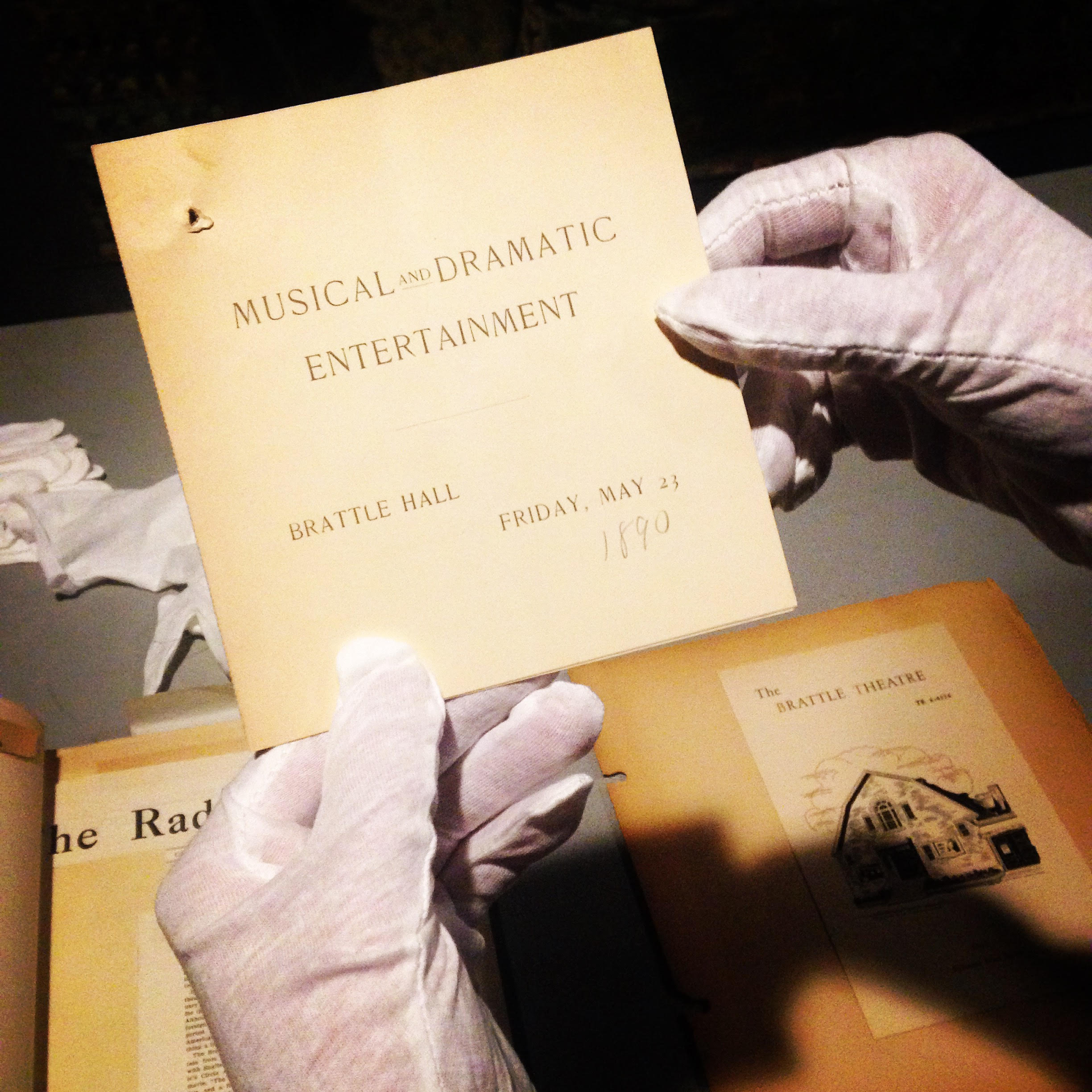
Program from the first show at the Brattle in May of 1890. Photo by Steph Pixley.
Surprisingly, the unassuming Brattle Theater in Cambridge and the Greater Boston area.
Originally established as a social union hall and live performance theater in 1890, the hall was transformed in 1953 with the installation of a rear screen projection system, permanently converting the Brattle into a destination for film lovers in Cambridge. Even in the early days of the theater, the goal of the Brattle was not to simply entertain the masses. Instead, the early founders were influenced by the European model of art house cinema, and dedicated the theater’s programming to educate and inspire, as well as entertain.
While this mission was probably unintentional in the beginning (the theater was originally founded by Harvard acting club rejects), these days the mission has taken on a more purposeful direction under the guise of the Brattle Film Foundation. Founded as a nonprofit 15 years ago, the Foundation has promised to provide something other than just another place to watch the latest blockbuster. Instead, the Foundation has created a community of active filmgoers by curating programming that teaches, engages, and enriches its audience.
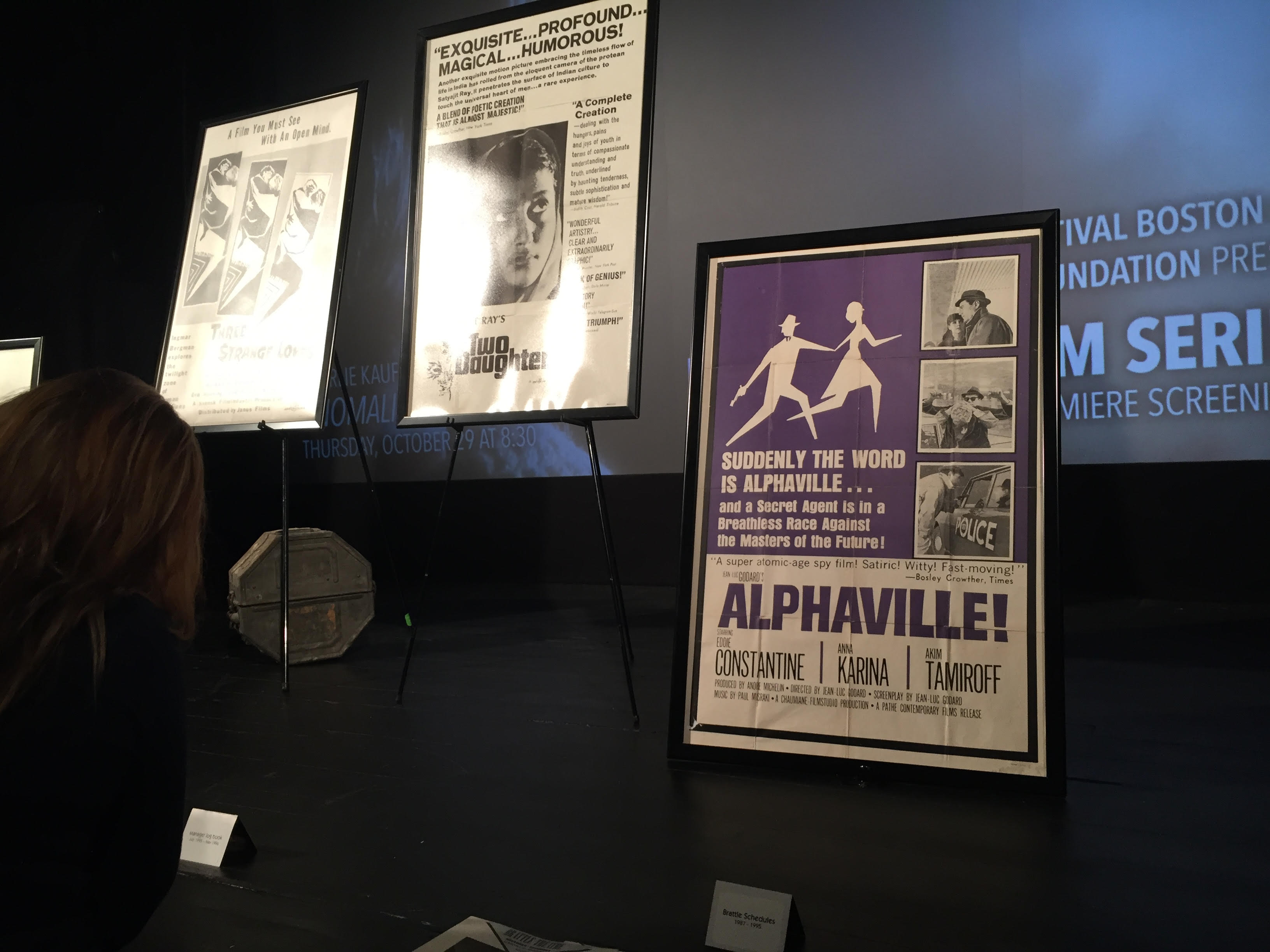
Original posters from the Brattle Theater archives.
As part of its 15-year celebration, the Foundation opened up its archives to give the neighborhood a glimpse into its varied history.
The various owners over the years have maintained an extensive collection of monthly screening calendars, newspaper clippings, and programs, dating back to the first play performed in the Brattle in May of 1890.
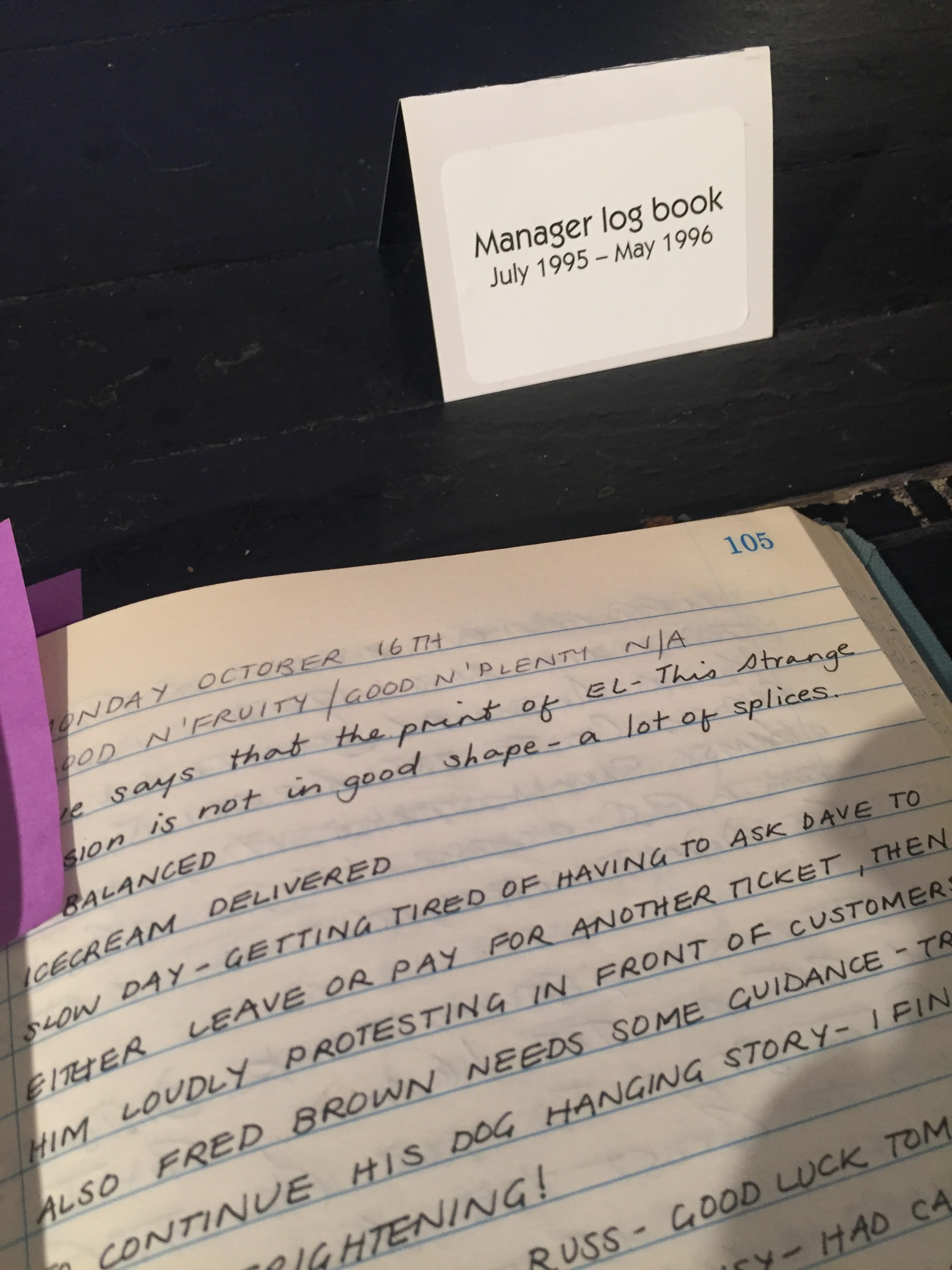
Brattle Theater manager log book, July 1995 – May 1996.
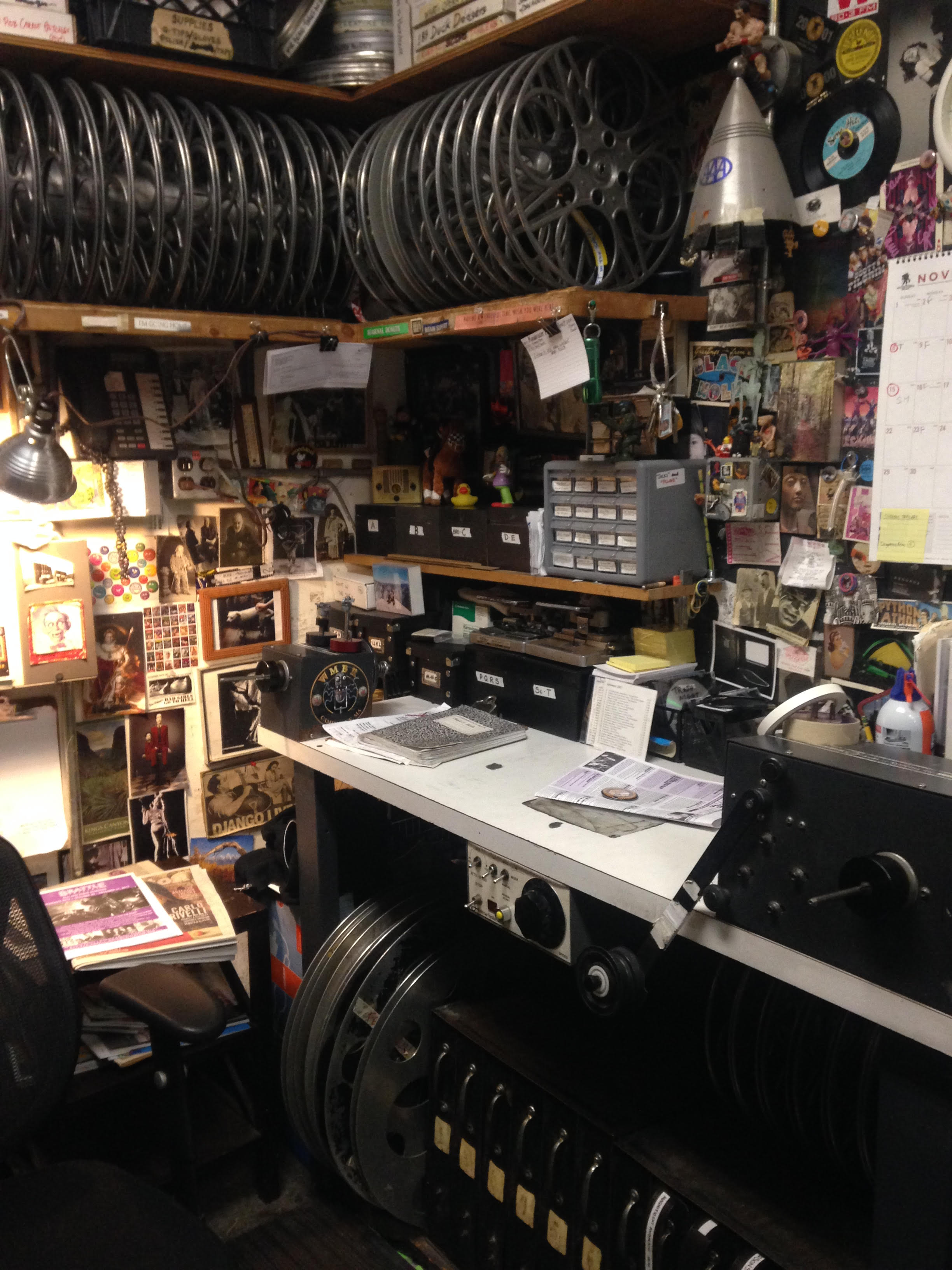
Two versions of their original sign, original movie posters (my particular favorite was the brightly colored poster from Visconti’s 1967 film “The Stranger”), and even an exhibit of the different types of film that are (and used to be) delivered to the Brattle over the years were on display. Small groups were even given tours of the projection room, one of the only rear-screen projection booths still in operation in the United States.
Brattle Theater projection room. Photo by Steph Pixley.
What was missing from the archives was just as interesting, however: After an unfortunate bankruptcy the Brattle passed hands to new owners who took little interest in preserving programs, posters, and the like. In fact, the late 1960s through the early 1980s are referred to as the “lost years” in the Brattle archives. Reassuringly, Ned Hinkle, the Creative Director of the Brattle, has expressed interest in an archival investigation into these missing years.
…A project for local archivists and film buffs, perhaps?!
What sorts of things inspire and propel your creative pursuits? How about neon lights? Swanky hotel lobbies? 1980s or 1990s designer clothing? Elevator soundtracks? Carefree cruising on the boulevard? What about mid-summer rooftop cocktail soirées? Or the hissing of muffled analog? Dead media, the 8-bit era of video game consoles, or TV commercials from your youth? These images, eras, and ideas – somehow simultaneously familiar and yet foreign – are some of the primary themes and creative drivers behind the electronic music genre known as vaporwave.
Since 2012 one musician in particular, Luxury Elite, has been experiencing a steady rise in exposure as well as popularity.
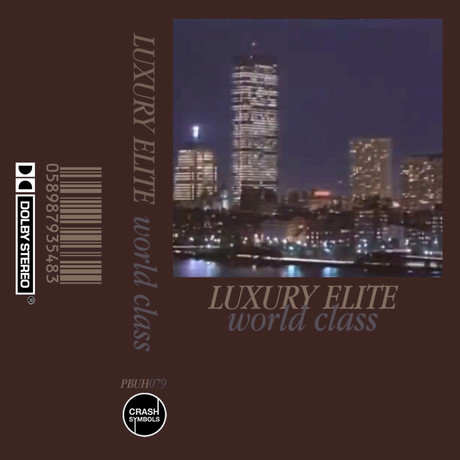
Cover for Luxury Elite’s 2015 album, World Class.
With 16 digital releases available (via their Bandcamp webpage) in addition to several physical releases on cassette, Luxury Elite has been pumping out dreamy, nostalgia-drenched grooves and, as a result, witnessed a healthy growth in followers which has only helped further cement vaporwave’s place in an ever-growing sea of electronic music sub-genres.
Excluding their own music-making, Luxury Elite also spent time running the now defunct Fortune 500 – a music label with heavy leanings toward vaporwave artists as well as a kind of, LE stated in a 2014 interview with Hong Kong Express, “last resort label” for artists unsure of where to take their music (but who also wanted to make a larger splash than most self-releasing efforts can achieve.)
We recently sat down with Luxury Elite to talk about everything from their creative inspirations in and process for music-making to the nuts and bolts of the vaporwave genre including some of the elements LE feels define it. We also touched on how they source some of the found sounds, “muzak“, and other samples that can be heard in their music, as well as some of the legal issues they worry about encountering along the way.
New England Media & Memory Coalition: Can you give readers a basic primer on what vaporwave is?
Luxury Elite: [Vaporwave] is sample-heavy music, usually sourced from jazz/funk/disco songs from the 70s, 80s, even some 90s material. It’s sort of like when you were a kid playing with your sister’s boombox and you had fun speeding up and slowing down her cassettes you were listening to. It sounds silly when written, but there’s just something about the genre that really makes a person feel nostalgic about your childhood, about the 80s; it’s like a rose-colored glasses sort of vibe. It really romanticizes the 80s especially.
NEMMC: Can you talk a little about what your compositional style and whether or not you’re performing on any of your albums, or if at the moment LE’s music is 100% sampled?
LE: 100% sampled for now. I cut and chop these songs myself via a WAVpad editor and then add effects from there. I used to use Audacity but now I am playing around with Audition. I’ve almost included original composition on Crystal, because I felt like it felt empty, but I felt like my composition was really bad so I didn’t include it. I would like to include them one of these days, I just need to stop being so down on myself in regards to it. It took me months to actually do Luxury Elite because of insecurities but I did it, and look what happened.
NEMMC: Since the birth of this sub-genre has it evolved in any way or has the genetic makeup of it stayed relatively unchanged?
LE: It has evolved quite a bit. In the beginning, the genre was a bit more simple. Lots of looping, very simplistic stuff going on. As it gained popularity, new artists came along and then sort of went into their own directions. It’s been going into a more ambient direction, sort of a strange cryogenic ‘chamber-y’ feel, and I think Dream Catalogue [a vaporwave/dream music label] has a lot to do with that. I’ve also been noticing the new trend of trying to make vaporwave without samples, too, which I think is really neat when pulled off effectively. With all of these new directions, though, I feel like everybody still has a parallel path to the vaporwave sound and feel.
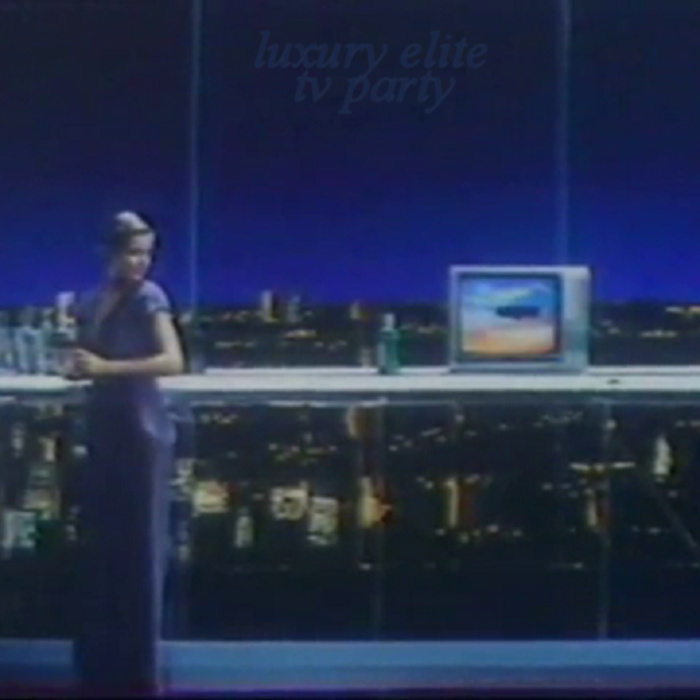
Cover for Luxury Elite’s 2013 album, TV Party.
NEMMC: You’ve said in past interviews that the music you create transports you to a different time – a different life. Can you talk more about the transformative outlet vaporwave music provides you?
LE: You know how certain shows can suck you in, where you feel like you’re in that show? Twin Peaks was like that for me, I felt like I got lost in that world as I watched it, and I didn’t want to leave. That’s how vaporwave has felt for me since day one. It’s like I’m stuck in this world of aerial skyscraper videos and 1980s commercials. When I work on Lux, I imagine this world where Lux is a real person, living a life of grandeur. Never runs out of money, always with a wine glass in hand and the nicest pair of earrings. I’ve noticed when I am feeling down is when I make the best Lux music, because I run away into that world and use that as my escape from the real world. Sometimes the real world is too much to take, sometimes it’s good to escape. But sometimes is key, you can’t let yourself escape from the real world forever.
NEMMC: Can you talk a bit about the found sound / samples you use in your music, and how you they’re sourced?
LE: I usually find my music through hours of searching for tracks on YouTube. Music searching puts me in a trance, but there have been many times I have gone through and have found nothing. I am extremely picky with my samples.
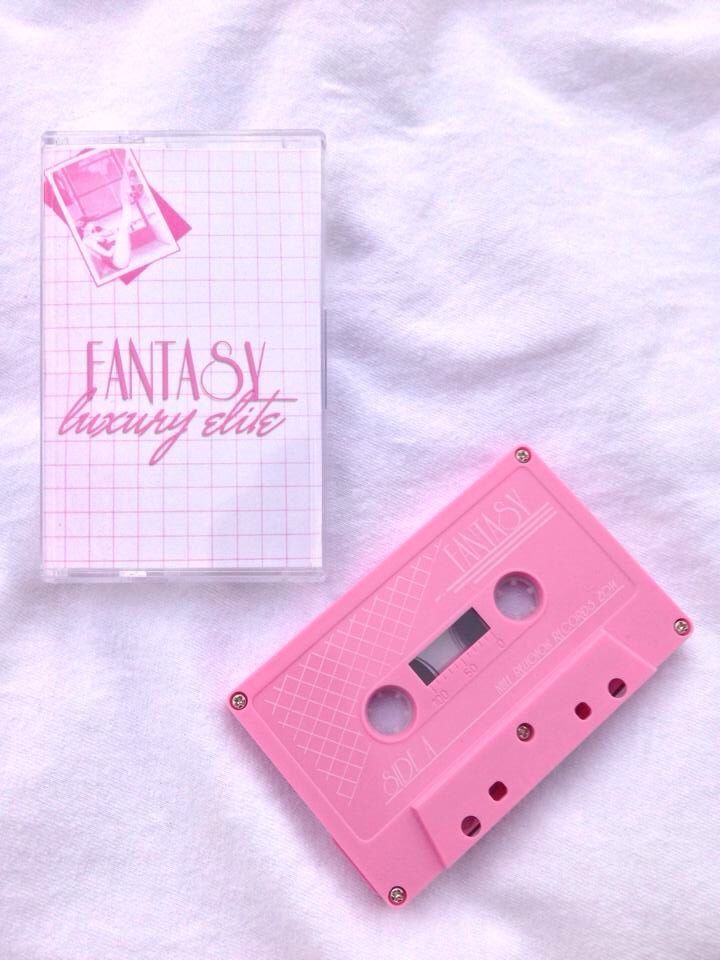
Luxury Elite’s album, Fantasy, on cassette.
NEMMC: On an aesthetic level what kinds of sounds are you attracted to? Would you say Luxury Elite has a “signature sound” or characteristic — even if buried underneath a sea of other sounds?
LE: I’ve noticed a lot of my songs have claps in them, I think I have a thing for songs with claps. They really have to pack a punch for me to fully enjoy them, or be one of those types of songs that gets stuck in your head, an “earworm”. I really like songs that ignite the imagery I like to use for Lux: skylines, beautiful people, lots and lots of gold. I like the songs to sound rich.
NEMMC: Would you say that your musical inspirations and creativity is at all fueled by nostalgia? Please talk about how nostalgia and longing have impacted you personally and musically. LE: Nostalgia has been a huge motivation throughout my life. As a kid, I was obsessed with watching television with my parents and my sister. I’d be obsessed with watching MTV (fun fact, Sinead O’Connor made me cry at four years old, I guess her tears affected me that hard) and Mary Tyler Moore and Jenny Jones. I lived in front of the television when I wasn’t playing outside, and I know people usually frown upon that kind of thing but I sort of thank my parents for it because it really shaped how I am today. I am obsessed with pop culture and nostalgia and I am so thrilled that the 90s came back into style especially; it brings back all of those old memories for me.
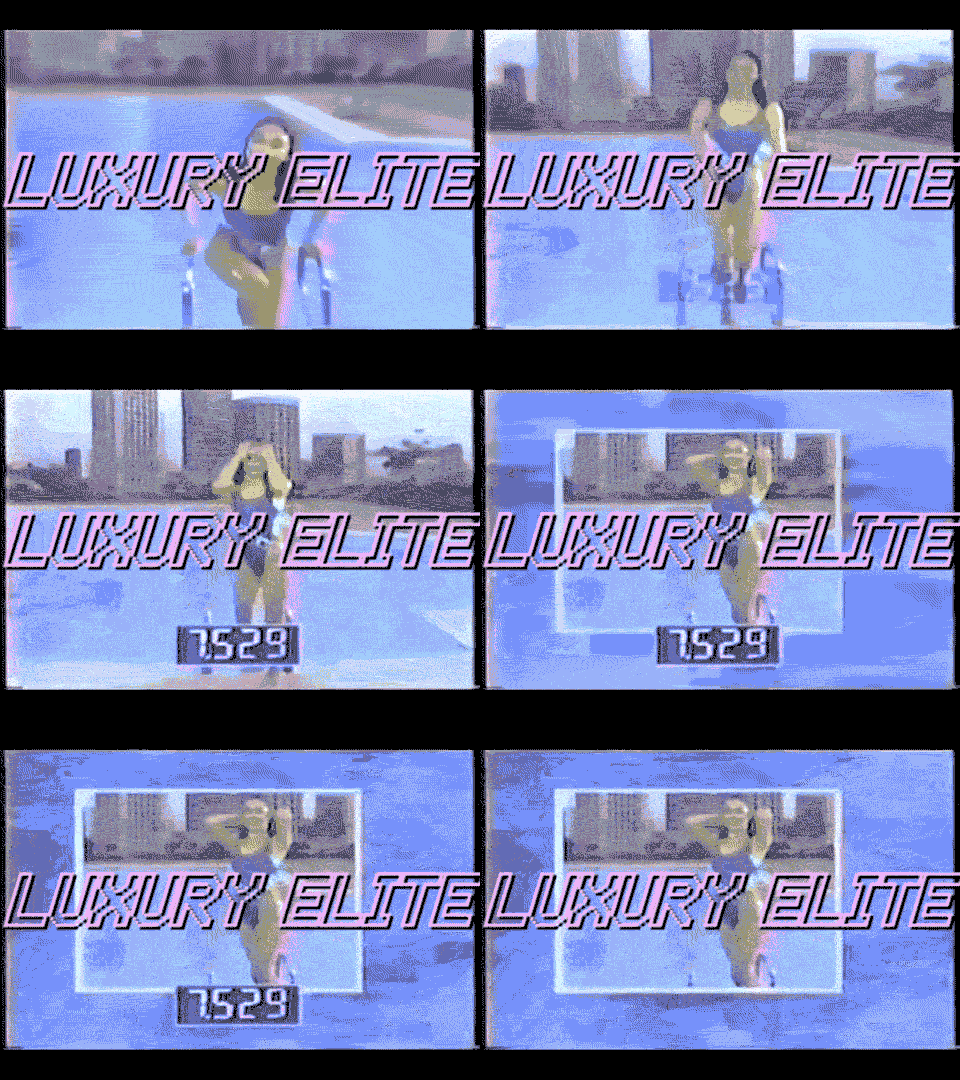
Image from Luxury Elite’s video mashup, Fantasy VHS.
Another fun fact for you: I used to really hate the 80s…I thought the fashion was cheesy, the music was awful, and it was just a bad time. My feelings on that started to change in 2011, which happened thanks to Tobacco, one of my all-time favorite artists and biggest inspirations. He released two DVDs called Fucked Up Friends that were filled with ridiculous commercials/porn/exercise tapes and the Fantasy VHS thing I did a few years ago totally ripped from that. But anyways, Turntable.fm came along and my girl Liz (from SPF420) got me into hypnagogic pop, especially James Ferraro’s, Night Dolls With Hairspray, album and LA Vampires’ release with Matrix Metals. It sucked me into a vortex. Around the same time I got way into Midnight Television. I knew of vaporwave because of Vektroid, who led the way into getting me into vaporwave. I would have never heard of it had it not been for her, Laserdisc Visions, release. I didn’t really get that release at the time, nor did I fully grasp the vaporwave concept until I got into Midnight Television the same week I fell in love with LA Vampires. I lost internet [access] shortly after that; Mr. Elite and I were too broke to pay the bill. The rest of the summer was spent going to the library, getting albums to fill my fix of the lo-fi, tape hiss, 80s sort of vibe. I could not quench it, it became my life. (I’ve sort of gone off subject with this.)
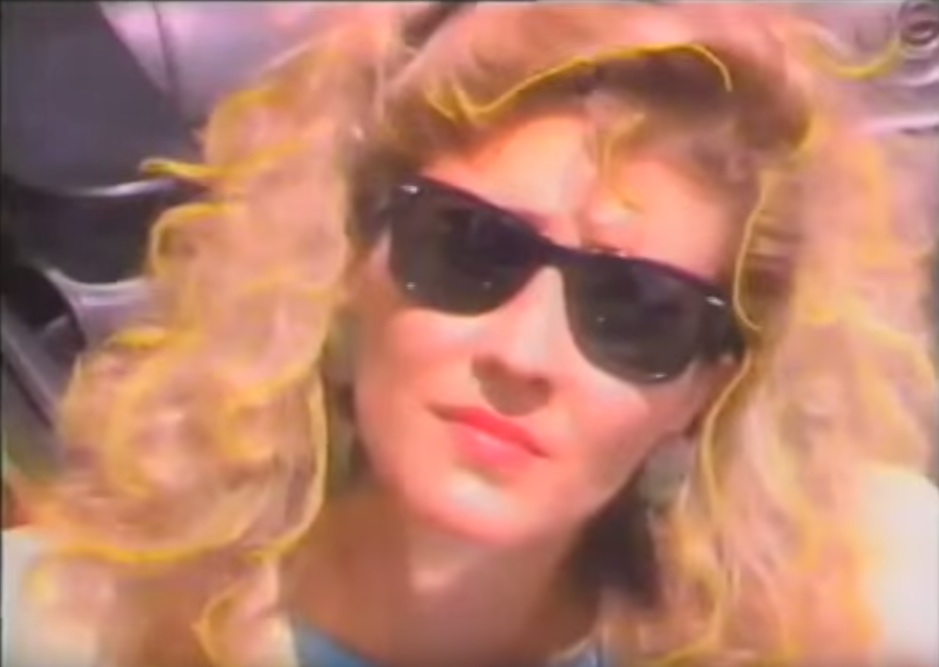
Following getting my internet back and getting active on Tumblr again, I started a blog called ‘familyshowcase.’ I’ve told the story tons of times before, but I’ll quickly summarize: I was inspired by my peers who were posting tons of screencaps from various 80s commercials and I decided to do a blog of my own. I am on a torrent site that hosts hours and hours of old VHS rips and I downloaded lots of those as well as a ton of commercial blocks from YouTube and went to town with capping. I got totally lost in those hours and hours of blocks, to the point that it affected my real life. I was unhappy at that point in time; I was frustrated with my job and my financial situation was awful and other personal stuff was happening and I sort of blocked all of that out and lived life through these actors in these old damn commercial blocks. I was full-on in love with the 1980s and I was all for whatever these commercials were selling to me. I felt like a kid again, channel surfing and eating up all of the commercials. I loved it, but it became sort of a strange addiction. I ended up taking a break from the internet because of depression and other personal stuff; that’s actually right around when Lux started.
Images from LE’s Tumblr account, ‘familyshowcase’.
Nostalgia is good and bad for me. I’m one of those people who focuses more on the past or looks to it when the present is not satisfactory and the future seems daunting. But nostalgia is so fucking inspiring. When I stumbled upon a commercial in the ‘familyshowcase’ days of perfume, jewelry, electronics, and saw these beautiful ladies sporting business suits and looking absolutely elegant, I would cap them like crazy. Those would be my favorite commercials, and those commercials really shaped how I wanted Lux to be. High class, rich, no cares in the world (well, outside of superficial, materialistic things of course). I work on Lux with that in mind and I pick what I sample carefully. Like I said, I’m extremely picky. I felt like vaporwave was sort of made for me, it’s why I am so passionate about it. A genre that plays around with old songs and rehashes them into something fresh, with heavy use of screencaps to accompany the sound/provide the visuals of what your song is going for…I didn’t live in the 80s, I was only 2 by the time 1990 hit, but vaporwave made me feel like I was a kid in the 80s and seeing all of the commercials, watching television with my parents and my sister. It just felt right.
Luxury Elite’s album, Late Night Delight, on cassette.
NEMMC: It isn’t news to musicians/music lovers that vinyl has come back in a big way. We’re now even seeing a resurgence (albeit in limited markets) in cassettes. Can you talk a little about your views on how music is released – with regards to the medium? Have you released any of your music in a format other than digitally? What drove your motivations? LE: Originally I had no desire to release anything on cassette, mainly due to copyright fears. But when the opportunity came along with the Late Night Delight cassette, I was too starstruck by the idea of it to say no. Cassettes are cute and tiny and fairly cheap to make (compared to vinyl) and much cheaper for a vaporwave fan to buy, and with vaporwave, I feel like vinyl doesn’t work as well. I mean, it does since releases in the 80s were either on vinyl or cassette, but vaporwave and cassettes go hand in hand. They’re more personal. The labels releasing them are doing them all themselves, and you have more say in the matter on album art, how the j-card will look, the color and design of the tape shell, all of it. It’s so worth it when you are holding your physical release in your hand. I prefer cassette to vinyl anyways, I think tapes are more fun to collect and cooler than vinyl.
NEMMC: How has the copyright and ownership of the content your sampling been addressed? Have there been any logistical challenges with reincorporating other music and sounds into your LE compositions? LE: Copyright issues are terrifying to me. I am so afraid that somebody will find that I sampled their song and get absolutely pissed off and try to sue me. I try to not focus on it really, and just comfort myself by saying that I am not big enough for people to notice such a thing but it’s always something that stays in the back of my mind. There was a close call once with one of my tapes but the label was a total lifesaver and was ready to defend me to the death. Nothing ever came of it thankfully. The fact that my music is on Spotify and other digital distributors isn’t very comforting to me but like I said, I try not to focus on it. I’ve heard of bigger artists slipping through the cracks and never getting into trouble with their samples, but I’ve also heard of smaller artists getting C&Ds [cease and desists] for their samples. I can only hope that I never get detected and targeted…
NEMMC: Finally, I’m really interested to hear your thoughts on the recent news coverage of the Aurora man who digitized a few years worth of Kmart store music from cassette to the Internet. Does this kind of preservation of the seemingly ephemeral fascinate you? Might the KMart music be fodder for future Luxury Elite tracks? LE: I had so many people link me to the Kmart rips! It’s hilarious because my mom used to work at Kmart, so it’s sort of this full circle thing for me. Props to that guy for never throwing away those tapes and holding onto them for so long. My favorite part is that all of the rips are tagged as vaporwave. He knows his target audience! I am messing around with some of those songs, but I may use them for another project. We’ll see. 😉
It’s clear to me after speaking with them that for Luxury Elite – and perhaps other vaporwave artists? – the vaporwave genre is as much an escape as it is a creative outlet. I’m fascinated by these feelings of nostalgia that one can possess for an era or lifestyle in which they’ve never actually experienced before. For Luxury Elite, seemingly forgotten or overlooked visual media (perhaps seen by some to be ephemeral or even unworthy of preserving) provide creative inspiration that so often drives everything from their sound to album artwork. Indeed, YouTube is a rabbit hole that seem to offer endless material to those waxing nostalgic for aesthetics signature of a different time and place.
Of course the very issue of repurposing content of which you are not the owner is a complicated and highly debated one – fraught with legal and ethical considerations – it is one I will not seek to unpack here. That said, I do feel it’s important to note that artists of any medium would be wise to address more directly the issue of copyright and, at the very least, possess a familiarity of the challenges that borrowing and recycling other individuals’ work can present.
Ultimately, I’m fascinated by the drivers behind what vaporwave artists create. I think there’s something to learn in this exploration into the nostalgic mind, the loss of original context, and the creation of a new context in which new realities and meanings are created, shared, and sometimes recycled all over again.
A historical documentary about the construction of the staircase between the Mystic Housing Project and a nearby elementary school, in order to ensure the students’ safety to and from school. The documentary covers the years between 1976 to 1982. – Archive.org
Towards the end of high school, I helped produce a live call-in talk show that appeared on my local public-access television station. Given our influences and the overall lack of adult supervision — we once featured a cast member’s dramatization of a classroom finger-stapling incident — I’m not sure we would have created the same content had there been a public event that re-aired that material 20 or 25 years later. Fortunately, due to the efforts of several dedicated media professionals based in Somerville, MA, the Community Vault project does just that.
Local media makers and Somerville Community Access Television (SCATV) members, Amanda Wild, Emily Falcigno, Bryan McKeon, and Erica Jones (SCATV’s Director of Membership and Outreach) are members of the project’s program committee and were instrumental in shaping the theme of the inaugural event. The seed for this idea — the public exhibition of community media content from Massachusetts — was planted during months of casual conversation, and the group sought to create a retrospective program with an emphasis on the dynamic between past and present.
In parallel with SCATV’s own deep dive into its archives for suitable content, the station sent out a call for submissions to sister stations throughout Massachusetts (submissions were required in digital format). After reviewing anywhere from 100 to 200 hours of footage over several months, the committee chose submissions from media centers based in Cambridge, Somerville, Ashland, Northampton, Stoughton, and Easton. In any selection process driven by careful curation, plenty of worthy submissions must be excluded and that was no different here. According to Wild, the committee “didn’t start with specific criteria” for their selections, but a more intangible “fit” — in tone, context, and length — became an important aspect of the review. Falcigno described the challenge of making the program flow as “puzzle pieces all over the table, and parts of puzzle pieces fitting together and having a continuously morphing puzzle.” The result was a program that spanned over three decades of local media production, and ranged from the historically compelling to the surreal and comedic.
On a warm afternoon this past June, dozens of theatergoers packed into Somerville’s Davis Square Theater for a screening of the final product. The program began with the offscreen voice of sitting U.S. President Barack Obama as he spoke at Cambridge Public Library in 1995. In another sequence, a skeleton chatted away while wearing colonial garb. An amateur scientist earnestly guided the audience through the relationship between containers and the “invisible” force of physics. A young Tracy Chapman delivered a subdued but stirring musical performance. Through roughly two hours of programming, the audience was subjected to shifts in tone and subject matter, some subtle and others jarring, but they felt seamless and familiar — despite having no personal recollection of this content, I felt oddly nostalgic for the times and places in which they were produced. For others, however, the screening hit very close to home. Some attendees had even appeared on or helped produce the content that was shown. In a strange twist, a woman tending bar just outside the theater recalled appearing on an early 1990s show called “Somerville Dance Party,” the city’s awkward, adolescent take on the “Soul Train” format.
Falcigno noted that the theater experience “was totally different for me because watching it non-stop, editing, helping Amanda edit, and then seeing it on a large screen in a dark space without distractions — and also hearing how the audience was reacting — made me see it in a different light.” The audience howled with laughter where the curators had hoped (the aforementioned Somerville Dance Party) and grew quiet and pensive when more profound content, such as footage of couples gathered at Cambridge City Hall on the day same-sex marriage was legalized in 2004, was used to demonstrate how far our communities have come and how much further we have to go.
The short documentary, “The Staircase” — which chronicled the community push for a staircase to provide safe passage down a hazardous hill following a teen’s death — provided such a bridge to the past. In an email exchange last month, screening attendee and Executive Director of The Welcome Project, Warren Goldstein-Gelb, shared that, “[i]t was powerful to see Mystic residents from 30 years ago working hard and paying a big price (a child’s death) in organizing for the stairs to be constructed. I felt inspired by the efforts of Mystic youth and adults so many years ago, and believe that the documentary can inspire a new generation of residents, who, despite much improvement, still struggle for better connections between home and school all these years later.” That a 25-year-old segment of the screening can still resonate so strongly with the audience speaks to the effectiveness of the Community Vault team’s curation process, and the lasting connection between communities and the media they create. While the program committee has no publicly stated plans for the future of the project, Jones hopes that such a showcase helps viewers “to see community media as not just the Wayne’s World kind of stuff” and that it illustrates to other media stations “a way to collaborate with different groups and members, and other stations, to put together something similar.”
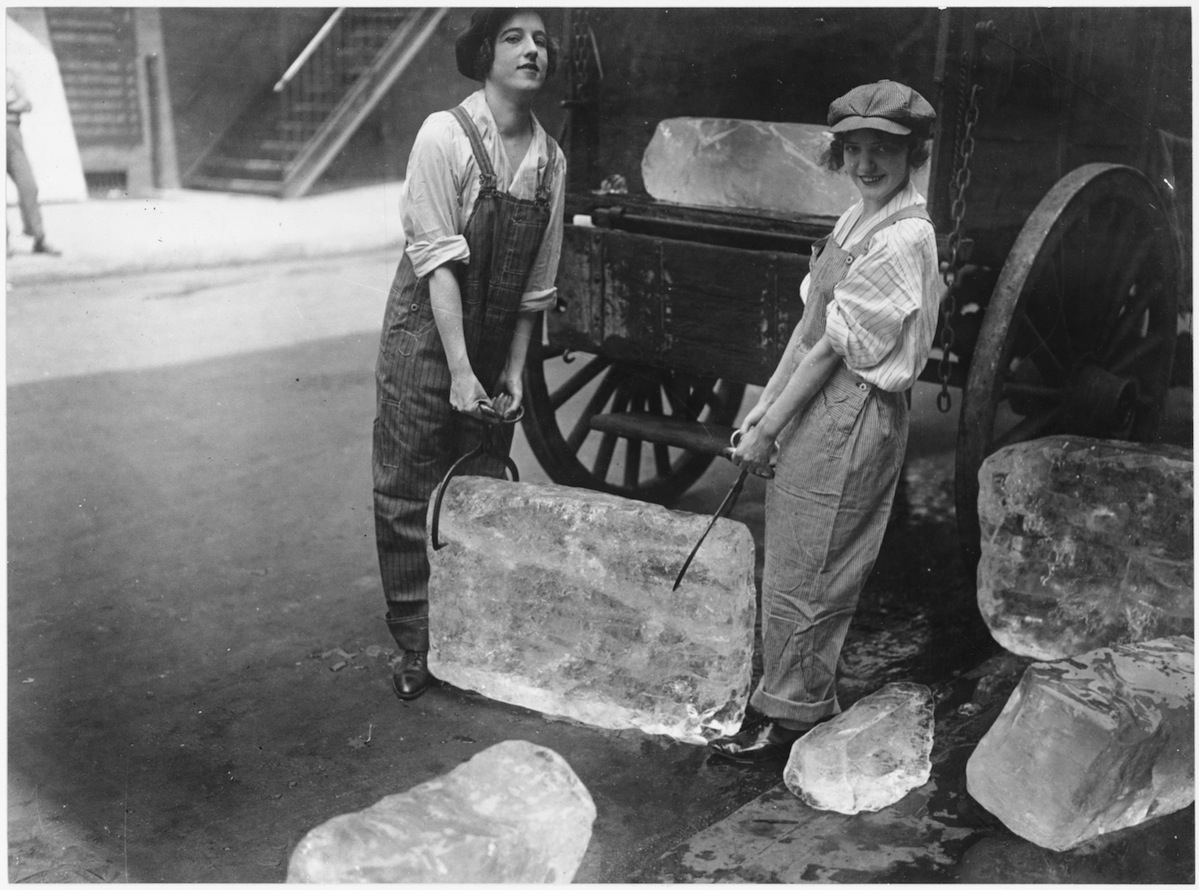
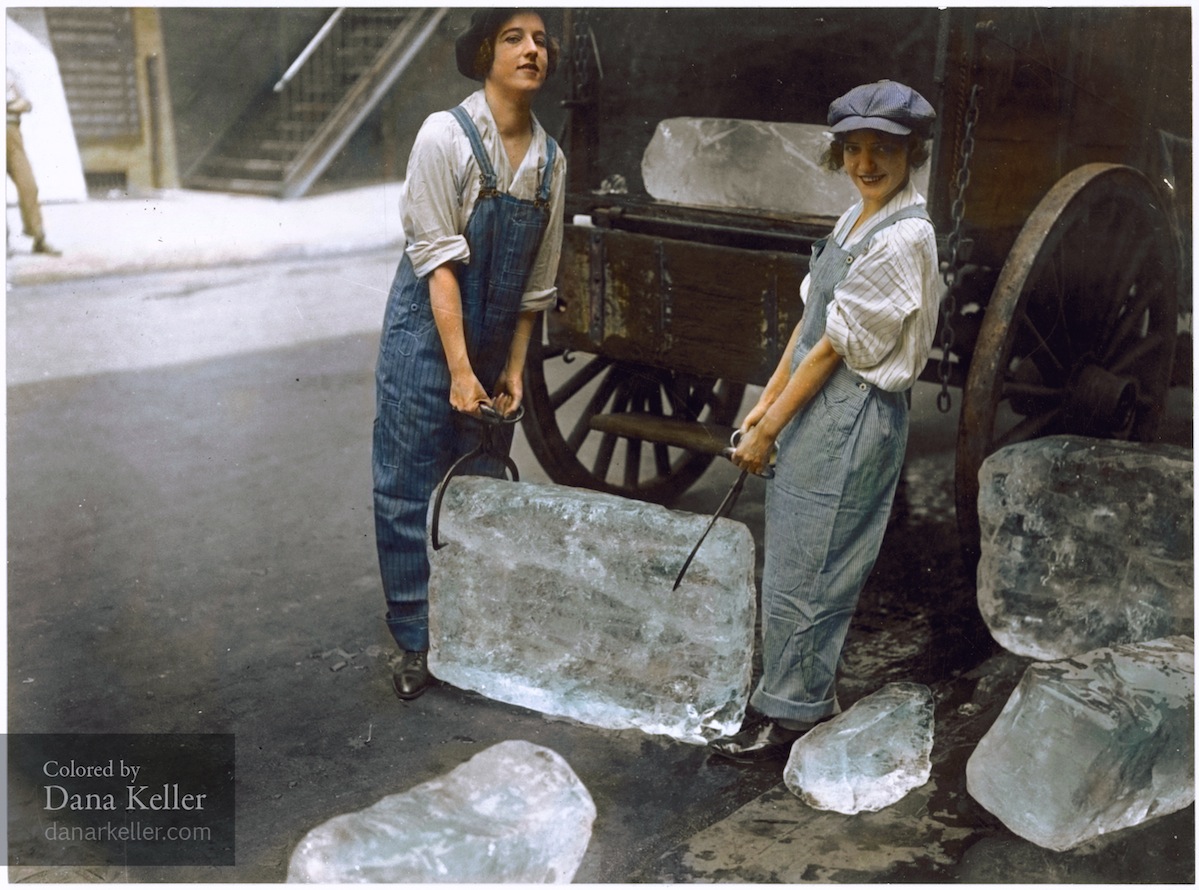
Color plays such a vital role in our everyday lives – even if we’re not always aware of it. Color also plays a significant role in how we think about and understand history. Surely we’re all familiar with black and white photographs (&/or film) and most likely have a similar kind of knee-jerk reaction when seeing something in black and white: It’s old. But perhaps we overlook the reality that the past, no matter how far back our minds dare to dream, was full of color just as our current reality is. So, what kinds of feelings or ideas come to mind when we think about someone exercising their artistic skill to bring color – and with it life – to images of the past? We strove to explore these very questions and others with Boston-based colorist and trained archivist, Dana Keller.
John Campopiano: When did you first start coloring historical photographs?
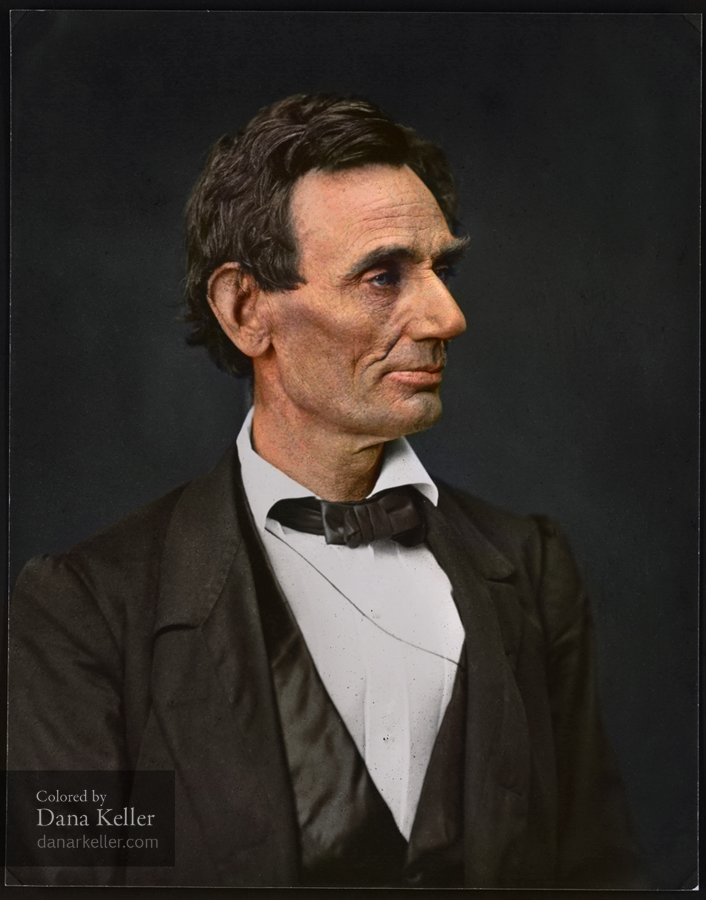
Dana Keller: I have been colorizing photographs for a little over 2 years. My interest in it began when I had seen a collection of colorized photos online that was receiving a lot of attention for being very realistic. To me, these images, while indeed very carefully and thoughtfully colorized, did not really look true-to-life, but rather more like paintings. They no longer resembled photographs. I had seen many colorizations before, and they have always looked very stylized, or at least it was unmistakable that they had been colorized, as opposed to resembling an actual color photograph. Having a background in art and several years experience with photography, I began to colorize photos myself and attempted to concentrate more on the subtleties of realistic colors and shading, with the goal of eliminating as much as possible the viewer’s awareness of the fact that the photo was colorized, and to enable the viewer to see it from a new perspective, as if it were actually a color photograph.
JC: Could you discuss the creative liberties that are at play during the transformative process, namely, with regards to choosing colors to use in any given photograph?
DK: One of the more difficult aspects to colorizing is selecting the appropriate colors. No color information is available in the grey values, so in order to preserve as much authenticity as possible, researching colors is a must. But since it’s of course impossible to research everything, that can only take you so far. It then comes down to some educated guessing. Grey values hint at what the possible colors could be; mix that in with some context clues and historical knowledge, and you can then start to build a realistic portrayal of what the scene could have looked like to the photographer at that moment. The key word there is could. There will always be a significant margin for inaccuracy and some “artistic license”.
Another heavy difficulty comes from poor quality images. Of course most of these historical photographs are over a hundred years old and are often faded and worn, they contain very little grey values, which are essential in order to realistically apply color. Aside from the significant age factor, black and white photographs are largely taken with different aspects in mind than with color photographs, mainly exposing for contrast rather than uniform detail. Very often, a black and white image will be taken with too much contrast or with too much exposure to allow for a color version that will be suitable, so some image editing has to be done to attempt to bring out details if at all possible. Often times image details are simply irrecoverable, rendering the photos unfit for colorization.
JC: I’m curious to hear a little about how you view a newly colorized work in relation to its original, non-colorized version. For you, what (if any) sort of relationship(s) exist?
DK: With black and white photos, we tend to feel somewhat distant and disconnected from the real and vibrant world those photos are actually portraying. And why shouldn’t we? The world was never in black and white, and it’s not something we are used to seeing in our day to day reality. By introducing color, these images can suddenly seem more familiar, and we are hopefully brought a little closer to the reality in which they were taken. Colorized photos can provide an opportunity for us to see a moment in history with a different perspective, a chance to connect with an increasingly distant but still very real and relevant past.
However, even though colorized photographs may potentially portray a more realistic view of the world (i.e., not black and white), they should of course not be viewed as replacements or enhancements on the original black and white images, nor should they be meant to assume any resemblance of authority as a historical artifact. They are meant to give the viewer an opportunity to see an image from history with a fresh pair of eyes, not to change an original record.
JC: Do you prefer to have a point of reference when colorizing a photograph (i.e., having a first-hand account of how something might have looked) or would you rather have full creative license?
DK: When attempting to be as historically accurate as possible, any reference material or knowledge that will assist in that is always preferred over having to come up with the colors from educated guessing. Not only does it save time in trial and error, but it’s always nice to have a solid reference for a color, especially when the grey value that it corresponds to isn’t one that I would have necessarily expected. By having one reference color, it can help to determine the lighting of the scene, and consequently help me in choosing other colors more accurately.
JC: Could you talk about your training as an archivist and if/how this training might conflict with some of the colorizing work you’re doing?
DK: Having been trained as an archivist, the fact that I am involved in and heavily advocate for colorization is an interesting controversy. As someone with a degree in archival science, it’s essentially part of my responsibility and nature to want to conserve historical documents/photographs as they are, and to preserve them for future generations. Several archivists and a great many others who have a passion for history see colorization as perhaps a misrepresentation of history or even a deliberate defacing or violation of the original records. I can certainly understand and appreciate their perspective from all angles.
My perspective, and what I believe to be the position of most colorizers, is that colorization is done out of a respect and reverence for history, not as a means of improving upon it. I see it as a very powerful tool–an opportunity to experience a closer connection to history and to offer that perspective to others who may want to experience it as well. And we’re free to take it or leave it. I want to reiterate that colorized photographs are not by any means meant to stand in for the originals or supersede their authority as historical records. For those who may not necessarily appreciate colorization, the good news is, no original photographs of history were harmed, destroyed, violated, overwritten, or disturbed at all whatsoever in the creation of these images. They are all still here for us all to see and enjoy and preserve for the future. And that’s part of the beauty of it, I think.
JC: Two parts:
Could you talk about an instance in which you received push back for your colorizing work? What were the circumstances surrounding the incident?
DK: When I first started colorizing, I shared some of my work with a few archivists, seeking their opinion on whether there was a place for colorization in the archives. Understandably, the idea was met with some backlash. This came mostly from senior archivists, their standpoint being that colorization, by its very nature, was completely contradictory to the mission of the archives, i.e., to preserve historical documents with minimal influence from the archivist. While in theory I agreed, I was still not convinced that there wasn’t a use for it within the archive world.
JC: Could you talk about a positive experience that stands out from your colorizing work?
DK: In my experience, the overall response to colorization has been very positive. The majority of people tend to see the photographs in a new way when they are colorized, and they express that it does indeed help them to appreciate the events and figures of the past as more relevant.
JC: Do you feel there is a place for the artist within the archives? Please explain.
DK: Absolutely. Art and design already play an important role through the curation of archival collections with how materials are represented and how they engage the public. In the archives, colorization can be considered another facet of that presentation. As mentioned above, colorization can help “connect” people to history; it can bridge the gap from a distant event and make it feel as immediate and relevant as it was when the photo was taken. This effectiveness can be used to engage different communities and generate interest. For example, a historical society, which was in the process of converting an old train station into a museum, commissioned me to colorize a photo of the building. They felt that the colorized image would allow greater opportunity for people to connect and feel the relevance of this historic place in their community, and would thus help generate funding for the project. Of course, being a historical society, they wanted to be as accurate as possible in the coloring process. In order to achieve this, they were able to take color samples from the base layer of paint on the building, which had been painted over many times through the years. By providing the data for the colors, we were able to color the image with a great deal more accuracy. So in practice, if we can build up the image with as much existing knowledge of colors as possible, often times using the archives own resources, we can then perhaps begin to create, theoretically, a more accurate—albeit of course artificial—representation of history. This can be a strong publicity tool, used to help tell the story of the images, giving people a unique and different way to connect to photographic collections.
JC: Without giving too much of the magic away, can you talk a bit about the technical skills/components involved with colorizing photographs? (I.e., software, hardware, etc.)
DK: All of the colorizing is done digitally, but still done mostly by hand. I use Photoshop and a Wacom tablet to “paint” in the colors on multiple layers so that they blend together to hopefully create a realistic blend of color. Part of the trick to colorizing is keeping careful attention to light and shadows, quality of light, etc. Take an up-close look at an actual color photograph and you’ll immediately see that light interacts with the world in very complex ways, and nothing is just one solid color. Lighting will sometimes play tricks on you, too. Depending on the color temperature, (e.g. time of day, or sunlight vs. incandescent), something that you perceive as “red” may actually be blue or purple when taking a color sample. All of these variables are essential to keep in mind when striving for realism in colorization.
There’s a scene in the 1994 film Pulp Fiction where Captain Koons, played by Christopher Walken, explains the history behind a gold watch he’s delivering to the adolescent son of a fallen Vietnam War comrade. On its face, this scene is evidence that Walken is a great actor and Quentin Tarantino writes dialogue well. More important, though, it demonstrates that even seemingly mundane objects have interesting and sincere stories attached to them.
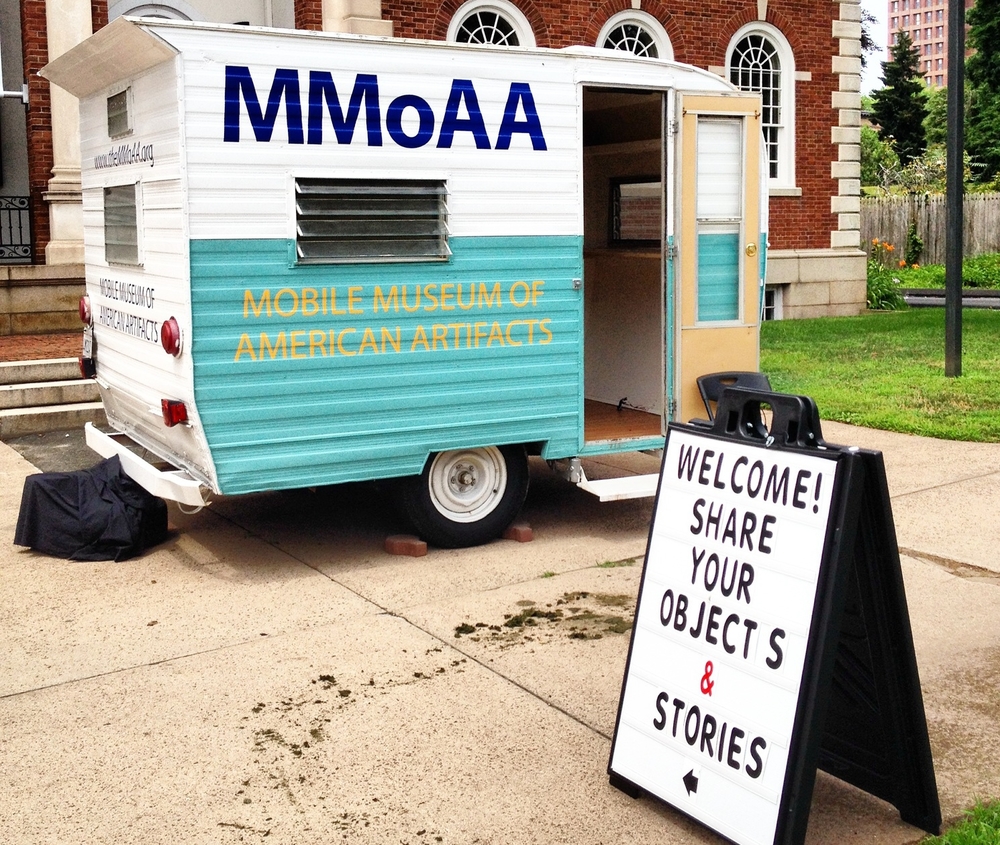
Since founding the Mobile Museum of American Artifacts (MMoAA) about two years ago, director Laurelin Kruse has explored the relationship between objects, the people who owned them, and the stories that bind them together. During a June 2015 event in Somerville, MA (co-sponsored by NEMMC), Kruse stood in front of the 1968 Cardinal travel trailer that houses the museum’s collection, and discussed its origins, objectives, and ongoing collection development.
The fuels that keep this traveling museum running are, according to Kruse, “the sincerity of people who participate” and “feeling the ‘ghosts’ behind objects.” When she drives MMoAA to a new destination, it’s an opportunity to welcome new visitors to the exhibit and convey the museum’s message of embracing the connectedness and richness of everyday life. Then, there’s an implicit opportunity to convert these visitors to donors; many museum patrons (this author included) donate personal objects from their own lives. Some people may learn of the MMoAA’s impending visit to their community and bring a donation during their first walk-through. Others only learn about the museum upon their first visit and are compelled to run home for something meaningful to donate. Every donation is accompanied by a donor form for additional context. Kruse makes an audio recording of each donor’s story about the object — a requirement for every donation — and his or her connection to it. Since Kruse performs no additional research about an object’s origins, the donor’s memories alone comprise the wall text that future visitors will read when the object is exhibited.
As part of this process, Kruse is exploring an “archaeology of the present” and whether “it’s possible to create [a] kind of intimate, emotional connection between strangers” through the relatable stories that donors tell about their personal items. The objects that line the shelves of the museum’s walls couldn’t be more different — a pair of oven-melted glasses sits alongside a group of “flip” cell phones and an antique doorknob, among other exhibit configurations — but all of them, now divorced from their primary use, attain artifactual value in this museum setting. However, in the space between an object and the donor who once used it, an odd phenomenon emerges, according to Kruse. “[W]e can try so hard to summon a person or a moment through an object, something that was once very much alive, but objects are inherently inanimate, and so this absence and silence is all the more apparent, devastating, creepy, heartbreaking, present. Objects contain the presence of an absence and an absence of a presence.”
MMoAA’s approach to collection development — where the donor might be anyone, the object could be anything, and personal narrative trumps aesthetic value — breaks sharply with conventional museum practice, and Kruse found resistance within the field of libraries, museums, and archives (LAM) even before the project was operational. In relaying a discussion she had with a museum curator, she noted that “he shook his head often, and wondered what I was doing there (with my half-baked idea). I left totally devastated and thinking I’d made a huge mistake, that at best I’d end up with a pile of meaningless junk, or more likely, nothing at all.” Since the project has been on the road, however, Kruse has been surprised and encouraged by the reactions of visitors, donors, and colleagues. “Now that MMoAA has had a little time to become itself, people in the LAM field, seeing the MMoAA parked in front of their institution of employment, or at their local farmer’s market, have for the most part been surprised and delighted by the MMoAA. One of my favorite parts of this whole project is that it inspires spontaneous conversations with people in the field who constantly think about these issues and are at the forefront of how the field is changing.”
While Kruse’s subversion of the traditional museum model is not without its detractors, it does speak to a continuing trend of community-focused hybridization within the LAM field. Libraries continue to embrace their roles as makerspaces. The success of StoryCorps is evidence of a sustained public interest in oral histories. Pop-up museums are all the rage. As much as MMoAA bears many of the traditional marks of a museum, it can also be considered a sort of object-oriented oral history project. “Not everyone is on board, but my hope is that it will make people think a little differently about museums, our own pasts, objects, the stories we tell, how we assign meaning and value, where nostalgia comes from, why we’re trying to preserve the past or make it known, and whose history we’re telling and who is telling it,” Kruse said.
While her aspirations for MMoAA include collecting donations from all 50 states and a potential documentary project, Kruse remains focused on developing the collection through contributions gathered during artist residencies and stops throughout the country. She added, “as the collection grows and features objects and stories from a wider range of geographic locations and communities, I’d like to play with that more, showcasing artifacts that may contrast with my current location, or complement it.” The MMoAA will be featured at the Rocky Neck Artist Colony in Gloucester, MA through September 28, 2015, before traveling to The Children’s Museum of Denver in Colorado on October 10, 2015. Kruse and the museum will end the autumn season in Green River, UT for the Frontier Fellows Artist Residency at Epicenter from October 22 through November 22, 2015. For more information on the continuing travels of Kruse and MMoAA, visit: themmoaa.org.













 nemmc.org